Monday, January 6, 2014

Bone Chilling Cold in Upper Midwest

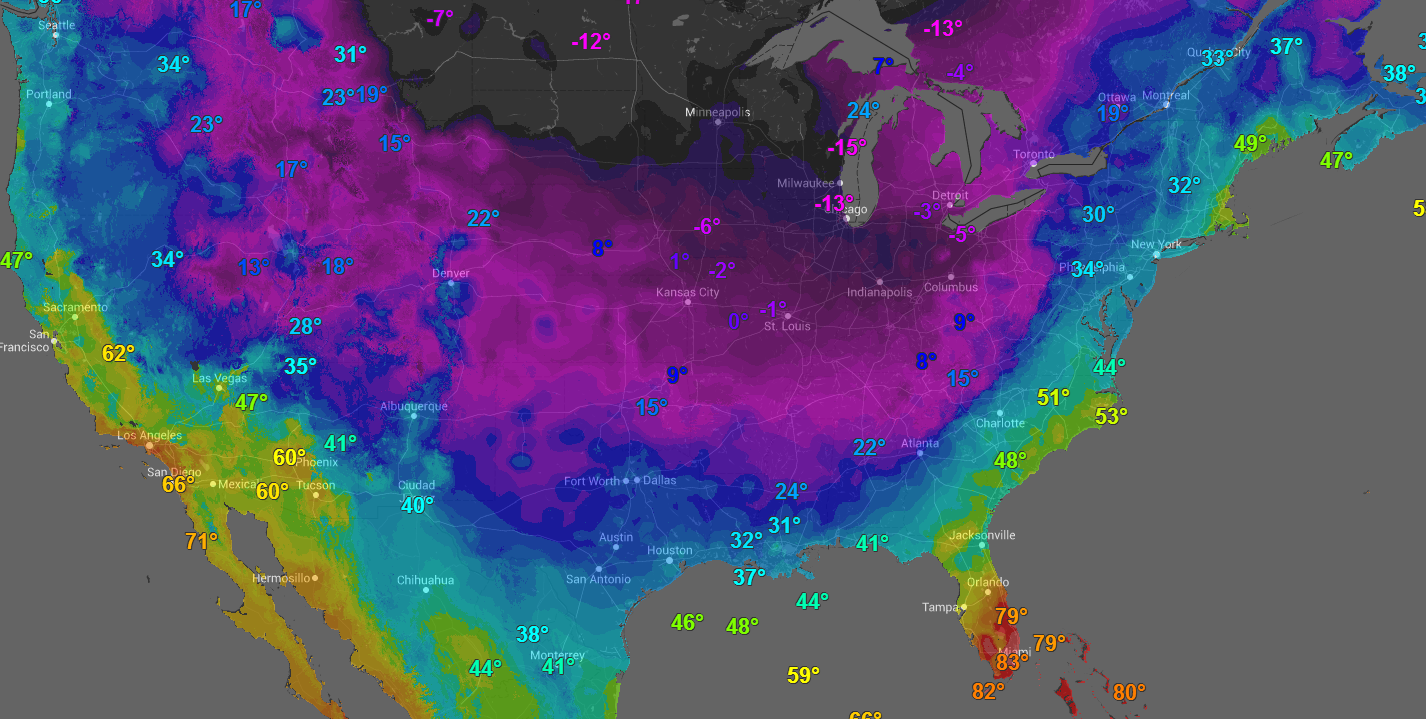
West-coasters who are upset about temperatures in the 50s should visit the upper Midwest this week. Northern Illinois, Wisconsin, Minnesota, and parts of Michigan are experiencing temperatures below -10 degrees today with wind chills as low as -65 degrees.

All over, people are throwing hot cups of water in the air to watch in awe as it freezes into snow before hitting the ground. This is cold!

An important thing to keep in mind is what you can do if the power goes out. In this kind of cold, it's important to have a backup plan. Survival in severe subzero cold requires a lot more than just putting on a sweatshirt and mittens. How can you heat your home if you don't have electricity to run your furnace?

Electric Generators

Emergency portable generators are a very effective solution. They must be run outdoors though, at least 10-18 feet from your home because they produce carbon monoxide. Portable generators are great in these situations because they can power your furnace and lights during an outage, and then be stowed away after the power is restored.

Fireplace

You can always go the old school route and burn firewood in a fireplace or a wood burning stove. There are many ways of splitting firewood. You can use a gas log splitter outdoors, an electric log splitter indoors or outdoors, a manual log splitter from the comfort of your living room, or a hatchet on a stump should you need the exercise.

A manual log splitter is much easier than a hatchet, but may not be ideal if you're splitting lots of wood.

An electric log splitter is much easier and more powerful than a manual splitter, and it can be used safely indoors. It's quieter and doesn't give off fumes.

A gas log splitter is the most powerful, but can only be used outdoors. It's usually larger, louder, and or course requires gasoline.

Once you choose the splitter(s) that you want, you can being splitting firewood. It's best to do a large amount in the early fall and stack it up someplace dry. This gives it time to cure and dry out. That way, by the time you need it, it'll be ready to burn.

Whatever you end up choosing, make sure you stay warm enough. This weather is dangerously cold, and you want to be sure you're safe.

Friday, January 3, 2014

Electric Log Splitter Hydraulic Oil

Electric log splitters may not require gasoline, but they do require the use of hydraulic oil. For electric log splitters, it's recommended you use hydraulic oil with a 10W weight rating. This type of hydraulic oil is capable of properly lubricating the moving parts of your splitter during cold or hot weather.

In addition to lubricating your splitter's moving parts, this hydraulic oil is also used for pressurizing the hydraulic system. When you start the motor, the hydraulic system begins to build up pressure with the hydraulic oil. The splitter is then capable of applying enough pressure on the log to split it against the splitter wedge.

You need to change the hydraulic oil in your log splitter after every 150 hours of operation time. If you don't, you run the risk of damaging components within your hydraulic system when the sediment within the oil settles onto your splitter's hydraulic components.

It's also possible for the oil levels to get low if now maintained properly. If your log splitter motor is giving off a humming sound and the pusher isn't moving, you may need to add more oil. If it's been a while, you should first drain the old oil and then refill it with the proper amount of fresh oil. Use your dipstick to measure the oil level to ensure it's where it should be.

Lastly, be sure you're bleeding your hydraulic system during use. Electric log splitters have a bleed screw that allows air out of the system to prevent over-pressurizing it. The bleed screw should remain tightened shut during storage or whenever the splitter is being moved., but should be opened whenever in use to avoid damaging the internal components.

Thursday, December 12, 2013

Indoor Log Splitting - Done Safe

Nobody likes going outside to split firewood when it's cold enough to freeze your nose hairs, but how else are you going to split more firewood to keep the family warm?

Splitting wood indoors is far too dangerous with a gas-powered log splitter, in fact it's downright deadly because of the poisonous exhaust fumes. Electric log splitters are safe indoors, but they're inconvenient and take up space.

Manually-operated log splitters are by far the most sensible option. The WoodEze manual firewood splitter is incredibly convenient and safe for splitting up firewood. 

1. Find yourself a hardwood stump and drill a 12 cm hole in the top. 
2. Insert the splitter into the hole.
3. Tighten bolt with a wrench to secure the splitting wedge.
4. Lift the handle and place the log to be split under the wedge.
5. Lift the striking weight with both hands and then drop it onto the wedge.

It's safer and easier than an axe, and the guide bar keeps it on target every time. It strikes with up to 14 tons of pressure at the edge of the blade. The size makes it easy to stow away, and the simplicity and sturdiness of the construction means there's no maintenance required.

So as long as you have relatively small logs that are able to be split, you can split firewood into smaller pieces from the warmth and comfort of your living room. And you don't have to be concerned with the dangerous fumes of gas splitters.

Thursday, November 14, 2013

How to Winterize a Wood Chipper

We all know the frustration of pulling out power equipment in the spring or summer to find that it won't start like it should. 

It's so easy to push your wood chipper to the back of the garage when winter gets here and forget about it for a few months, but without properly winterizing it, you may have a bad time in the spring.

If you want to have an easy time starting and operating your chipper next season, here are a few tips on proper winter storage and maintenance that we recommend.


Electric Chippers 

Electric chippers are a lot easier to take care of than gas chippers, because there is no fuel or fluids involved; however, when it comes to winterizing an electric chipper, there are a few simple things you should do.

  • Clean out the unit as well as you can, all the way down to the chipper blades if you are capable, to insure that no leaves, dirt, or sap will sit in your chipper for months without movement. An air compressor can help accomplish this.
  • Once you've finished cleaning it and putting it back together, it's a good idea to apply a small amount of grease or lube to all of the moving parts. 
  • Last, but not least, go and buy yourself an inexpensive universal cover to keep dust and rodents from making your machine their winter home.


Gas Chippers

Gas chippers require a couple of extra steps. The tips for electric chippers still apply, but the gas engine requires a few extra tips that should not be forgotten. The engine is the heart of your gas chipper, and just like you have to care for your own heart, it's important to care for your chipper's as well.

  • Follow the same tips noted above for electric chippers. Then continue to follow the tips below.
  • Drain all gasoline from your chipper and run the engine dry. If you don't want to waste the fuel or go through the trouble of draining it, you should at least add fuel stabilizer to prevent the fuel from spoiling.
  • Change the oil and replace the spark plug. You can do this prior to storage, but I recommend doing it at the start of the next season. Changing your oil and replacing your spark plug at the start of the next season ensures that everything's fresh, and will assist an a much easier start-up.


Well I hope these tips helped, and stay warm this winter my friends!


Friday, October 25, 2013

Keeping Engines Clean With Detergents!


Gasoline is something you may not give a lot of thought to, but the type of fuel you use in your chainsaw makes a difference in the lifespan and in how well your saw runs.

I strongly advise using fresh gasoline with an octane rating of 89 or higher (mid grade or premium).

Most of the regular unleaded 87 octane gasoline that is available on the market today contains minimal amounts of detergent additives, which in four stroke applications keep pistons, valve stems, and fuel injectors clean. These same additives are needed in a two stroke engine to keep varnish, gum, and lacquer deposits from forming inside the engine. 

Pressure from the automotive industry has caused the gasoline suppliers to blend the 89 to 91 octane gasoline range with greater amounts of detergents and anti-oxidizing additives to prevent formation of deposits and keep engines clean.


Lack of detergent additives in two stroke fuel will cause heavy buildup of varnish, gum and lacquer deposits on the piston surface and inside of the ring grooves. Heat transfer from the piston to cylinder will suffer. Once the ring starts sticking in the ring grooves, combustion flame and exhaust gases will leak past them, further overheating pistons causing galling or seizures.

Since alcohol has been added to gasoline, power equipment manufacturers do not recommend storing fuel for more than 30 days. This period can be even shorter in hot and humid climates. Today, gasoline is considered too old for use in the two stroke engines if it’s older than 30-45 days. 

Fuel older than 30 days will begin to form varnish and gum. When the varnish and gum are heated by the combustion, they combine and form the byproduct tar. The tar byproduct is the number one cause of blocked spark arrestor screens and stuck piston rings. 

Since old gasoline won't vaporize well in the crankcase, the fuel will puddle in the crankcase, causing spark plug fouling, engine flooding and hard starting. Old, stale, oxidized fuel will also quickly form gum, varnish and deposits inside the carburetor and fuel system components. This is the most commonly found issue at many dealerships at the beginning of the season, primarily with products that are used seasonally.

"Moral of the Story"
Use only fresh mid-grade or premium gasoline in your chainsaw engines and other 2 cycle engines. It'll make your chainsaw last longer and run better with less maintenance and repair hassle.

Thursday, October 24, 2013

Ready or Not, Here Comes Cyber Weekend!


By now, you know what Black Friday is. It's notorious for being a violently aggressive rush for deals. However, that isn't necessarily the case for online shoppers.

If you're not familiar with it, Cyber Monday is the Monday after Thanksgiving when online retailers drop their prices and list significant sales on their products. It's a day when millions of internet shoppers can get Black Friday prices without the hassle of fighting angry soccer moms over the last "Tickle-Me Elmo."

We will be celebrating Black Friday and Cyber Monday with deals on all of our power equipment sites. You'll be able to find some quality brand-name tools and equipment for unbelievable prices all through Cyber Weekend (Friday-Monday).

However, we will not be here Friday-Sunday! While other retailers make their employees work overtime and weekends, we choose to send our employees home for the weekend to be with their family.

Every site we have has Buyer's Guides to help you in the decision making process, so even though you can't reach customer service or our experts, we've done our best to provide you with answers to as many questions as possible. If you want more information, you can scroll to the bottom of the site and click on our "How-to Library," where you can find many articles about our power equipment.

Plus, most of the items on our site have customer reviews and accurate up-to-date ratings generated by our cutting-edge algorithm so you can feel confident in your selection.

If you have questions or concerns about your order, feel free to contact us on Cyber Monday, December 2nd, 2013.


Find Cyber Monday Deals at the Following Stores:


Friday, October 18, 2013

Alternatives to Stihl & Echo

Many people are familiar with Stihl and Echo, but there are other brands out now that are comparably well built and reliable.

Husqvarna is well known for the comfort grip handles and easy-start capability which comes from a combined choke/stop control which reduces the risk of engine flooding and makes for easier engine start-up.

Additionally, Husqvarna has a specially optimized fuel pump that keeps fuel lines clear in order to facilitate start-up. An air purge feature removes air from the carburetor and fuel system for easy starting.

Husqvarna has one of the world's greatest ranges of outdoor power equipment. For most needs, such as homeowners and even professional wood cutters, Husqvarna offers lightweight chainsaws that will effectively cut through modest jobs with percision.

Unlike Stihl or Echo, Husqvarna can be found and purchased in more places including online. Husqvarna also provides more cost-effective products while still providing the same great quality and performance. So while some commercial workers may still prefer Stihl or Echo, Husqvarna is a great option for someone who needs power and reliability, but doesn't need it 7 days a week.