Showing posts with label winter. Show all posts

Monday, January 6, 2014

Bone Chilling Cold in Upper Midwest

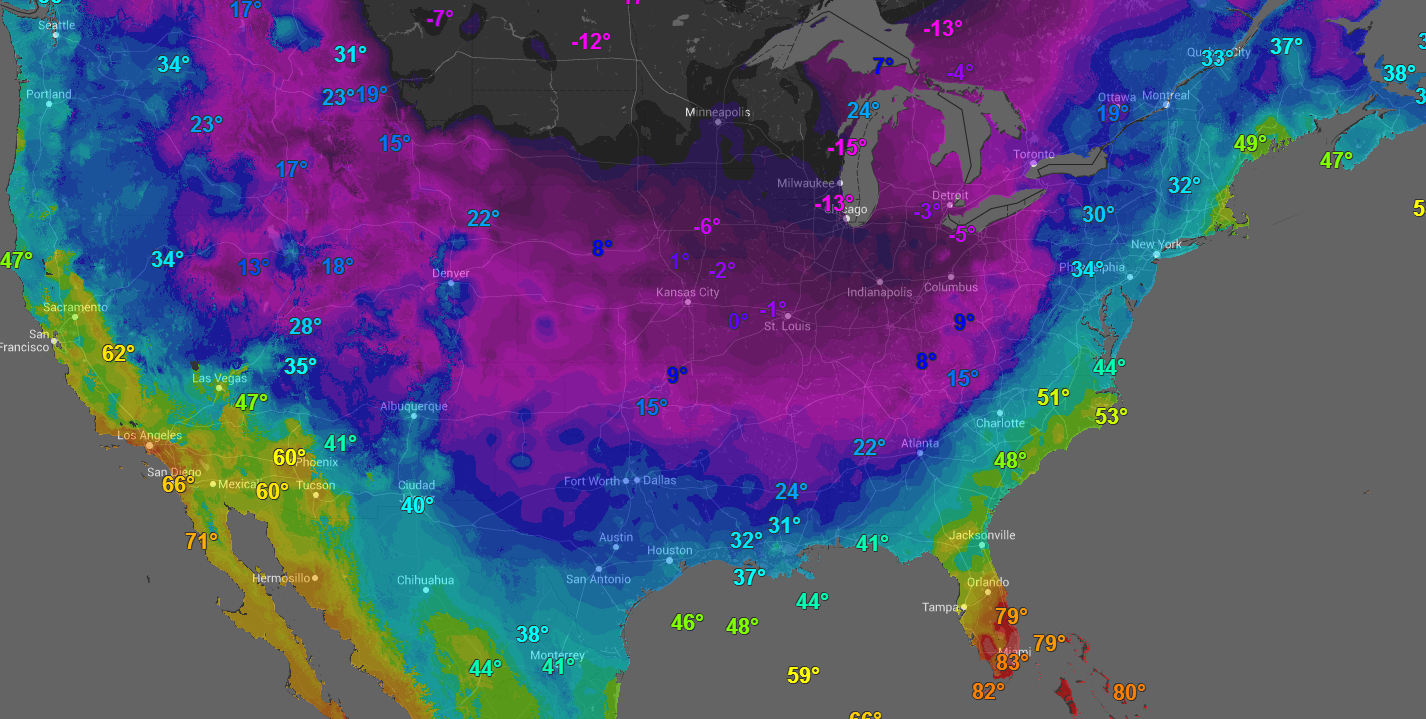
West-coasters who are upset about temperatures in the 50s should visit the upper Midwest this week. Northern Illinois, Wisconsin, Minnesota, and parts of Michigan are experiencing temperatures below -10 degrees today with wind chills as low as -65 degrees.

All over, people are throwing hot cups of water in the air to watch in awe as it freezes into snow before hitting the ground. This is cold!

An important thing to keep in mind is what you can do if the power goes out. In this kind of cold, it's important to have a backup plan. Survival in severe subzero cold requires a lot more than just putting on a sweatshirt and mittens. How can you heat your home if you don't have electricity to run your furnace?

Electric Generators

Emergency portable generators are a very effective solution. They must be run outdoors though, at least 10-18 feet from your home because they produce carbon monoxide. Portable generators are great in these situations because they can power your furnace and lights during an outage, and then be stowed away after the power is restored.

Fireplace

You can always go the old school route and burn firewood in a fireplace or a wood burning stove. There are many ways of splitting firewood. You can use a gas log splitter outdoors, an electric log splitter indoors or outdoors, a manual log splitter from the comfort of your living room, or a hatchet on a stump should you need the exercise.

manual log splitter is much easier than a hatchet, but may not be ideal if you're splitting lots of wood.

An electric log splitter is much easier and more powerful than a manual splitter, and it can be used safely indoors. It's quieter and doesn't give off fumes.

gas log splitter is the most powerful, but can only be used outdoors. It's usually larger, louder, and or course requires gasoline.

Once you choose the splitter(s) that you want, you can being splitting firewood. It's best to do a large amount in the early fall and stack it up someplace dry. This gives it time to cure and dry out. That way, by the time you need it, it'll be ready to burn.

Whatever you end up choosing, make sure you stay warm enough. This weather is dangerously cold, and you want to be sure you're safe.

Thursday, December 12, 2013

Indoor Log Splitting - Done Safe

Nobody likes going outside to split firewood when it's cold enough to freeze your nose hairs, but how else are you going to split more firewood to keep the family warm?

Splitting wood indoors is far too dangerous with a gas-powered log splitter, in fact it's downright deadly because of the poisonous exhaust fumes. Electric log splitters are safe indoors, but they're inconvenient and take up space.

Manually-operated log splitters are by far the most sensible option. The WoodEze manual firewood splitter is incredibly convenient and safe for splitting up firewood. 

1. Find yourself a hardwood stump and drill a 12 cm hole in the top. 
2. Insert the splitter into the hole.
3. Tighten bolt with a wrench to secure the splitting wedge.
4. Lift the handle and place the log to be split under the wedge.
5. Lift the striking weight with both hands and then drop it onto the wedge.

It's safer and easier than an axe, and the guide bar keeps it on target every time. It strikes with up to 14 tons of pressure at the edge of the blade. The size makes it easy to stow away, and the simplicity and sturdiness of the construction means there's no maintenance required.

So as long as you have relatively small logs that are able to be split, you can split firewood into smaller pieces from the warmth and comfort of your living room. And you don't have to be concerned with the dangerous fumes of gas splitters.

Thursday, November 14, 2013

How to Winterize a Wood Chipper

We all know the frustration of pulling out power equipment in the spring or summer to find that it won't start like it should. 

It's so easy to push your wood chipper to the back of the garage when winter gets here and forget about it for a few months, but without properly winterizing it, you may have a bad time in the spring.

If you want to have an easy time starting and operating your chipper next season, here are a few tips on proper winter storage and maintenance that we recommend.


Electric Chippers 

Electric chippers are a lot easier to take care of than gas chippers, because there is no fuel or fluids involved; however, when it comes to winterizing an electric chipper, there are a few simple things you should do.

  • Clean out the unit as well as you can, all the way down to the chipper blades if you are capable, to insure that no leaves, dirt, or sap will sit in your chipper for months without movement. An air compressor can help accomplish this.
  • Once you've finished cleaning it and putting it back together, it's a good idea to apply a small amount of grease or lube to all of the moving parts. 
  • Last, but not least, go and buy yourself an inexpensive universal cover to keep dust and rodents from making your machine their winter home.


Gas Chippers

Gas chippers require a couple of extra steps. The tips for electric chippers still apply, but the gas engine requires a few extra tips that should not be forgotten. The engine is the heart of your gas chipper, and just like you have to care for your own heart, it's important to care for your chipper's as well.

  • Follow the same tips noted above for electric chippers. Then continue to follow the tips below.
  • Drain all gasoline from your chipper and run the engine dry. If you don't want to waste the fuel or go through the trouble of draining it, you should at least add fuel stabilizer to prevent the fuel from spoiling.
  • Change the oil and replace the spark plug. You can do this prior to storage, but I recommend doing it at the start of the next season. Changing your oil and replacing your spark plug at the start of the next season ensures that everything's fresh, and will assist an a much easier start-up.


Well I hope these tips helped, and stay warm this winter my friends!


Monday, October 7, 2013

Using Log Splitters in the Winter

We all know that we would love to split our wood on a nice, clear day with a cool breeze. We all know that this will most likely never be the case. If you need to use your log splitter in the middle of the winter or in temperatures below proper operating temperature, here is what I recommend.

The log splitters will function below 41 degrees; however the functionality is decreased when operated in temperatures below 41 degrees.

It is recommended that in temperatures below 41 degrees that the splitter is allowed to warm before operation.

In temperature conditions below 10 degrees I recommend using electric log splitters inside. If you have a gas-operated splitter, you must use it outside. For these, you'll want to warm your gas splitter overnight by storing it inside. Otherwise, you could use an engine block heater to warm the oil chamber prior to use.

I do not recommended you use a different oil than what is recommended by the manufacturer. The best option is to put a magnetic block heater on the wood splitter when it is in storage so that the oil stays heated and will thin when you start it.

If it is really cold where you are using the splitter, just leave the magnetic heater on the splitter while using it. The reason you have to take these precautions to keep the log splitter warm is that when the temperature drops below 41 degrees, the hydraulic oil gets too thick. You may be tempted to change to a thinner oil, but doing so may put your log splitter at risk of overheating in summer months.

For more information, the most up-to-date log splitter ratings and reviews, or to stock up on accessories, visit www.logsplittersdirect.com