Monday, August 11, 2014

Leaf Mulch Advantage

A lot of people see leaves as a nuisance, but when the trees on your lawn shed their leaves this autumn, you may want to think twice before dragging them in bags to the curb.

Leaves are of course organic, and therefor they hold nutrients. Even after they die and fall to the ground, they're still nutrient-rich. However, you don't want to just leave them blanketing your lawn because they'll prevent sun, rain, and oxygen from getting to your lawn's roots.

Instead, break them down into smaller bits and you'll have an incredible fertilizer and mulch. Once the leaves are shredded, they can be added to a compost pile, spread over the soil in your flower bed or garden, or even sprinkled into your lawn.

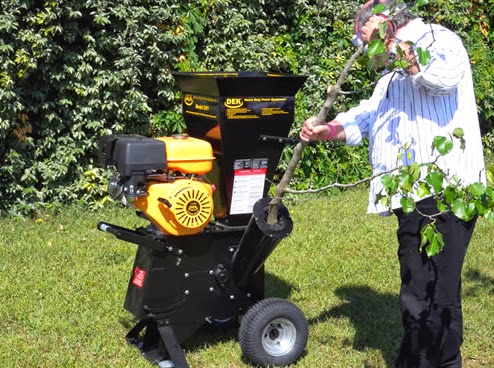
Chipper shredders are a great way to accomplish this. They're available as electric chipper shredders or gas chipper shredders, though the electric shredder type is all you need unless you're looking to chip branches and limbs as well.

If you're mostly interested in using shredded leaves to fertilize your lawn, you can use mulching kits for lawn tractors, and serve multiple purposes at once. A mulching kit will allow you to mow your lawn while mulching any leaves and evenly spreading them into the grass. 

As the shredded leaves break down, they add nutrients to the soil, acting as an organic fertilizer for anything from grass to flowers or vegetable gardens. No need to spend money on inorganic fertilizers at the store when you can recycle what you're already getting for free year-after-year.

Thursday, June 26, 2014

Curing Firewood the German Way

Many of us in the U.S. know how to stack firewood in the classic row-style on a rack.

However, if you have a lot of wood to stack, perhaps more than you can fit on your rack, and it needs to be cured, a Holz Hausen is an attractive and very functional way to stack and season firewood without a rack.

1. Drive the Stake
Drive a stake about 7-8 feet tall into the ground where you want to build your Holz Hausen. Mark the stake 5 1/2 feet above the ground.  The stake marks the center of the ring, and as your pile gets larger, the pieces of wood will somewhat fall inward and rest against the stake.

2. Ring Around the Rosie
Lay your logs around the stake in a circular fashion, smaller ends pointing toward the stake. Stack a couple of rows high to create a solid base. Once you've got a nice, even two-layer ring, stack a perpendicular layer (lengthwise) continuing to the outer edge of the ring.

3. Throw the Scraps in the Bin
There will be an empty area in the middle of your ring. That area is for throwing uneven or oddly shaped scrap wood that won't stack neatly.  Stack the inner and outer lengthwise rings evenly to improve stability and prevent it from collapsing. Throw scrap pieces in the middle as you go to provide some inner support.

4. Top it Off
Once you've reached the 5 1/2 foot marker on your stake, allow pieces to begin slope outward toward the outside. Then you can cover the top of the Holz Hausen with wood laid with the bark facing up in order to shield the wood underneath it from getting wet when it rains or snows.

Now you've got yourself a beautifully functional Holz Hausen, and plenty of room left on your firewood holder for the wood that's finished curing. Keep the cured wood on your firewood holder by your house for easier access.

How to Maintain an Electric Chainsaw

Electric chainsaws are quieter, lighter-weight than gas models, and easy to start. All they need to run is an extension cord and an outlet.

But what about maintenance? After all, one of the advantages of an electric chain saw is not having to do oil changes and refill the gas, right?

Electric chainsaws are definitely cleaner and easier to maintain than gas models, but they do still require some maintenance. To keep your chainsaw running smoothly for years to come, here are few tips to consider following.

Chain Oil
While you don't have to change out motor oil, your chain isn't very fond of dry friction against the bar. It's very important to stay on top of keeping your chain lubricated with oil to prevent it from wearing out. Oiling the chain will also aid in providing a smoother cut. Any clean motor oil should do, but if you're using your saw in cold winter weather, be sure to use an oil with a lower viscosity.

Chainsaw Bar
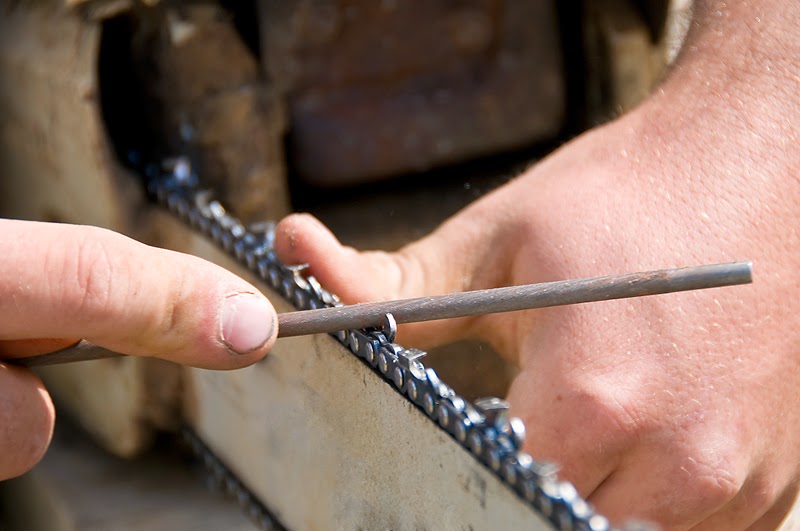
Wear and tear can present issues with a bar. Be sure to clean out any dust or debris in the bar's groove. You can use a wire, pipe cleaner, etc. to do this. Inspect the bar for any burred edges, and file any down outside the groove. If your bar is cracked, bent, or excessively worn, change it out with a new bar.

Extension Cord
If you're operating an electric chainsaw, you will inevitably have to maintain a safe and functional extension cord. Make sure you use an extension cord that's approved for outdoor use. They're usually marked with a W or W-A suffix.  Using an indoor, improperly sized extension cord can cause your saw's motor to overheat and suffer damage. If your cord ever becomes frayed or worn to the point where it's exposing any wiring, dispose of it and get a new one.

Long-Term Storage
Before putting away your chain saw for the winter, it's a good idea to winterize it for storage. Drain chain oil and remove the chain and bar. Soak and clean the bar and chain, dry them, then apply a thin layer of oil to help preserve them and prevent rusting. If your chain is too worn down to be sharpened, dispose of it and replace it for the next season. If the chain is damaged or broken, don't attempt to repair it - buy a new one.

Tuesday, June 24, 2014

Creating Better Compost With Your Chipper/Shredder

Although we all know chipper shredders are great for reducing logs and branches into mulch, what many don't realize is that chipper shredders are also very useful in creating high quality compost for enriching your top soil or adding into garden beds for more successful yields.

In many cases, gardeners will just toss piles of leaves, grass clippings, mulch, and old organic food waste into a pile and let time work its magic in breaking down and decomposing the matter. However, to speed up the process, you can utilize chipper shredders to break down and blend up the compost, effectively giving Mother Nature a little bit more down-time.

Just make sure to only use the chipper shredder for outdoor waste such as leaves, twigs, branches, logs, and dry grass clippings. Don't run kitchen scraps through your chipper shredder, as they're typically moist/sticky and contain bacteria.

When breaking down and mixing compost, it's best to use a 50-50 or 70-30 blend. That's 50% live matter (i.e. green vegetation, old bell peppers, lettuce, and anything else that's not dead and dried out) and 50% dry leaves, twigs, and mulch. Or for a "hotter" compost pile, use 70% live and 30% dried matter.

Using kitchen scraps is a great way to add to the variety of your compost heap, but make sure you don't use meats, cheeses, or old chicken bones. Those kinds of materials will rot and ruin your compost pile while adding unsafe and unwanted toxins to the mix.

Once you've got all of your organic compost broken down into smaller pieces and blended with your kitchen scraps, add whatever other minerals into it, stir it with a pitch fork or other similar tool, and leave it alone. Let nature run its coarse. Every now and then, stir your compost pile to release excess heat and moisture. If you leave it too long without stirring, the heat and moisture will turn your precious compost into a gooey mess instead of the nutrient-rich soil you're aiming for.

If you don't already have a chipper shredder for breaking down yard waste, there are many good models available as well as how-to guides and other helpful information that can be found at Chippers Direct online.


Monday, June 2, 2014

5 Amazing Uses for Wood Chips

A wood chipper is a great way to break down timber and branches, but what do you do with the chips when you're done?

While some people throw the chips away, there are a few good uses for them that could save you money or even make you money.

Use or Sell as Mulch
Aside from selling large bags as mulch, you could use the chips as mulch on your own property instead of buying bags at the store. Depending on which you choose, you'll either make money or save money.

Show Some Generosity
If you've just finished running limbs through your chipper shredder and you simply want to get rid of the chips, try giving them away to friends, neighbors, family, or community service groups for use in flower beds and walkways.

Fuel for Wood Burning Furnaces
Wood chips can also be used in certain types of furnaces as fuel for heating your home in the winter. If people in your area use wood burning furnaces, you can donate or sell the chips to them.

Spice Up a BBQ Party
Using them in fire pits as kindling is an option, but soaking them in water and tossing them in the BBQ grill adds a great smoky flavor to ribs, sausage, chicken, and fish.

The Smell of Cedar
If they're cedar, you have even more possibilities. Cedar chips are often used for stuffing dog beds, lining guinea pig, hamster, and rabbit cages, and seasoning fireplaces to give off a nice aroma.

So next time you're putting away your chipper, don't just throw those chips away. They have so many other uses. If you can think of any other creative uses for wood chips, share in the comments below!

Wednesday, May 14, 2014

Chipper Maintenance Made Easy


More Chipper Maintenance Tips
Spring is here, and summer is approaching. This means you likely have some cleanup to do on your property. With springtime storms, you may find a lot more debris on your lawn, and new landscaping often means "out with the old."

So what do you do with all of the debris and old shrubs and trees you're getting rid of? Perhaps you take them to the curb for pickup, or maybe burn them in a pile? A much better alternative is chipping. This will provide you with a way to recycle what you're getting rid of.

Chippers can turn old dead eyesores into a beautiful and functional mulch to use in your flower beds and other areas to beautify your property, control weeds, and save you from spending more money at the local garden shop.

Along with using chippers comes maintenance. With the right understanding of what needs to be done and when, you'll find that maintaining your chipper shredder is easier than you think.

Below is a chart from MTD that will help you keep track of what needs to be done and how frequently. You can print it off, laminate it, and nail it to the wall inside your shed. this way you can use a dry-erase marker to check off each thing you do and erase your markings at the end of each year.

mtd's WOOD CHIPPER MAINTENANCE CHART 


Chipper/Shredder Maintenance
Before each use
Every 8 hours
Every 25rs
Every 50 hours
Annually
Clear Grass & Debris Away from Muffler & Engine
X
Clean Control Linkage
X
Fill Fuel Tank
X
Fill Oil
X
Lubricate All Moving Parts
X
Lubricate Chute Release Rod
X
Lubricate Control Levers & Check for Smooth Operation
X
Lubricate Hopper Assembly & Discharge Chute at the Swivel Pivot Joints. Test Full Range of Motion.
X
Replace Air Filter
X
Change Oil
X
Replace or Sharpen Chipper/Shredder Blades
X
Replace Spark Plug
X
Wash Collection Bag
X

Tuesday, March 11, 2014

Chippin' Twigs and Shreddin' Leaves

With an electric chipper shredder, you are able to chip smaller branches and shred debris like leaves and twigs at the same time.

Any homeowner with a decent sized lot and a few trees can use a chipper shredder to keep their property clean.

Electric chipper shredders are lighter weight, gasless, economical, and offer a typical home owner the option of recycling their yard waste without dropping serious money on a large gas model.

Some people use electric chipper shredders for the garden. Shredding old garden matter like vegetables, leaves, roots, sticks, and other organic waste, you can create your own compost pile.